

Casterra and Fantini partner to mechanize large-scale castor farming for biofuel growth

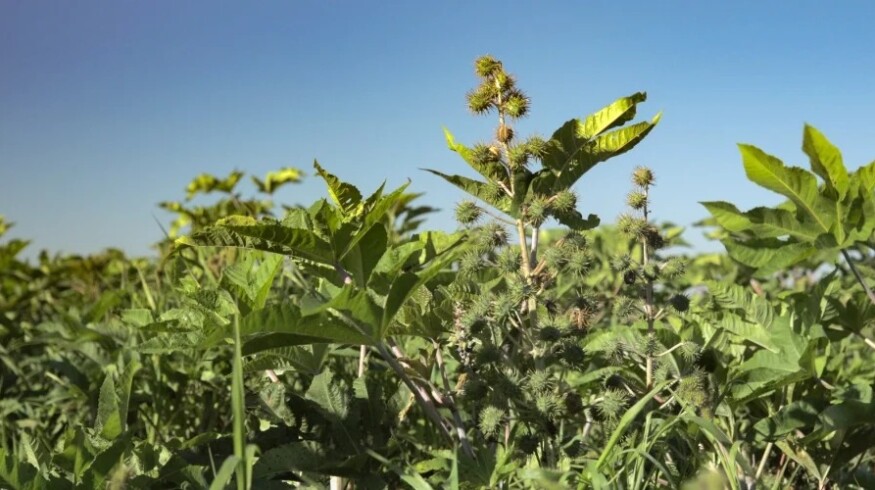
Israeli agritech company Casterra, a subsidiary of Evogene, has entered into a strategic partnership with Italy’s Fantini Italia to advance the mechanization of commercial castor cultivation, aiming to strengthen the crop’s role as a scalable and sustainable feedstock for biofuels and bio-based industrial products.
The collaboration combines Casterra’s proprietary high-yield castor seed varieties and agronomic systems with Fantini’s advanced mechanized solutions, including high-capacity harvesting and threshing technologies. The companies plan to develop integrated farming platforms tailored to various climates and production scales, addressing a key challenge in the modernization of castor farming: linking optimized plant genetics with efficient mechanization for industrial-scale output.
“Collaborating with Fantini represents true synergy,” said Yoash Zohar, CEO of Casterra. “Their decades of expertise in agricultural machinery, combined with our elite castor varieties, enable a breakthrough in sustainable castor cultivation. This partnership will help position castor as a viable global feedstock for the biofuel and bio-based products sectors.”
Nicola Bonacini, CEO of Fantini Italia, emphasized the alignment between the companies’ sustainability goals: “Our current harvesting solutions already reduce carbon footprint by about two-thirds compared to conventional systems, and this collaboration will further enhance their efficiency.”
Founded in 1968 and headquartered in Mantova, Fantini specializes in harvesting equipment for grain, sunflower, forage, and castor crops. The company has a long record of innovation, including the introduction of the first folding corn header and, more recently, patented direct-cut heads for biomass and biofuel feedstocks.
Casterra, based in Rehovot, integrates advanced genomic tools licensed from its parent company Evogene to develop elite castor seed varieties optimized for yield, adaptability, and mechanized cultivation. Its work supports sustainable agriculture by combining breeding, agronomy, and technology to serve both farmers and bio-based industries.
Global demand for castor oil—used in biofuels, lubricants, coatings, cosmetics, pharmaceuticals, plastics, and resins—is expanding steadily. The market, currently valued at about USD 2.4 billion, is projected to reach USD 3.09 billion by 2030. As interest in low-carbon and renewable materials intensifies, the need for efficient castor production systems has prompted industry partnerships focused on yield, scalability, and environmental performance.
The Casterra–Fantini partnership reflects a broader trend in agricultural mechanization and decarbonization, as the industry seeks scalable, low-emission feedstocks to meet rising global demand for renewable materials and fuels.

Enjoyed this story?
Every Monday, our subscribers get their hands on a digest of the most trending agriculture news. You can join them too!







Discussion0 comments