

New research warns intensive farming practices undermine soil health


According to a new study by Rothamsted Research, modern farming practices are undermining the resilience of the world’s soils, leaving food production increasingly exposed to shocks from climate and geopolitics.
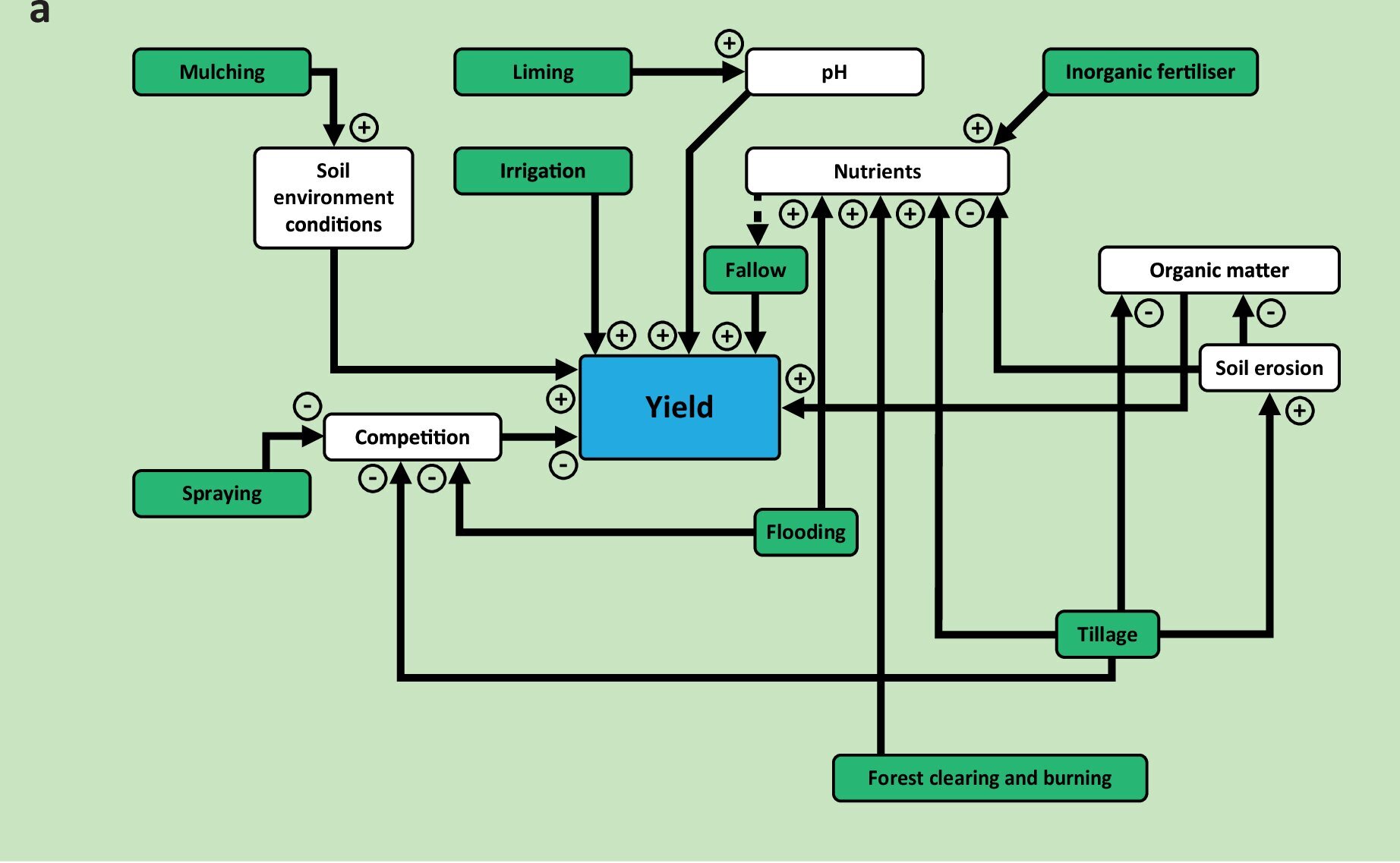
The review, published in npj Sustainable Agriculture, found that techniques such as plowing, irrigation, and fertilizer use can boost crop yields in the short term but weaken soils over time. The study concluded that practices that strip organic matter, compact land, and disrupt ecosystems are degrading soils, which support 95% of food production and store more carbon than forests.
Researchers ranked erosion caused by over-plowing, overgrazing and deforestation as the most severe threat to soil resilience, warning that fertile topsoil takes centuries to regenerate once lost. Other risks include salinization from irrigation, contamination from pesticides and plastic residues, and compaction from intensive livestock farming.
“Soils are not just the foundation of food security, they are central to biodiversity and climate stability,” said Dr. Alison Carswell, the study’s lead author. “Yet many of the practices we rely on to increase yields today risk undermining that foundation in the future.”
The authors noted that some measures, such as flooding rice paddies or liming acidic soils, can help maintain resilience. Alternatives like conservation tillage and integrated pest management offer further options but often involve trade-offs between short-term productivity and long-term sustainability.
The study warns that ignoring soil resilience risks pushing farming systems toward tipping points, where productivity could collapse irreversibly. Such disruptions could cascade through food and trade networks, with global consequences.
The findings come as the UN estimates that one-third of the world’s soils are already degraded. Pressure is set to intensify as food demand rises in sub-Saharan Africa, South America, and Southeast Asia.
“Breaking the cycle of soil degradation is possible,” Dr. Carswell said. “But it requires rethinking how we manage land—not just for the next harvest, but for resilience in the decades ahead.”

Enjoyed this story?
Every Monday, our subscribers get their hands on a digest of the most trending agriculture news. You can join them too!






Discussion0 comments