

Brazil sends seeds to International Space Station for agricultural research

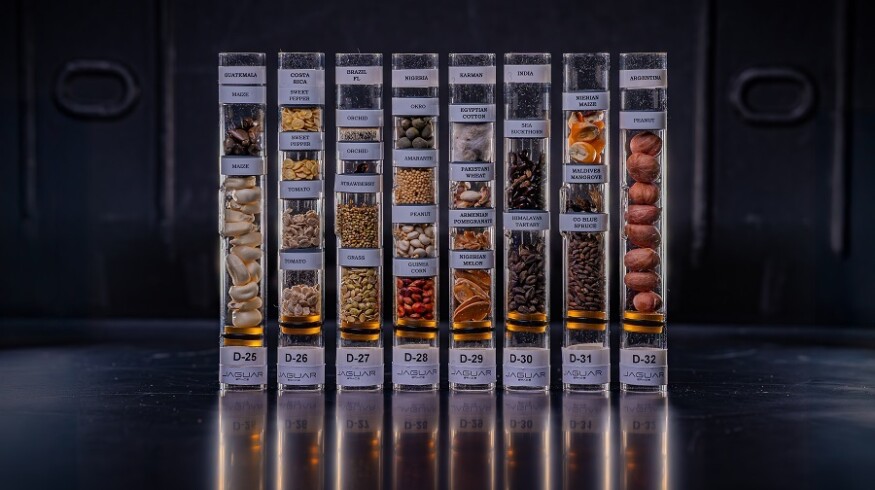
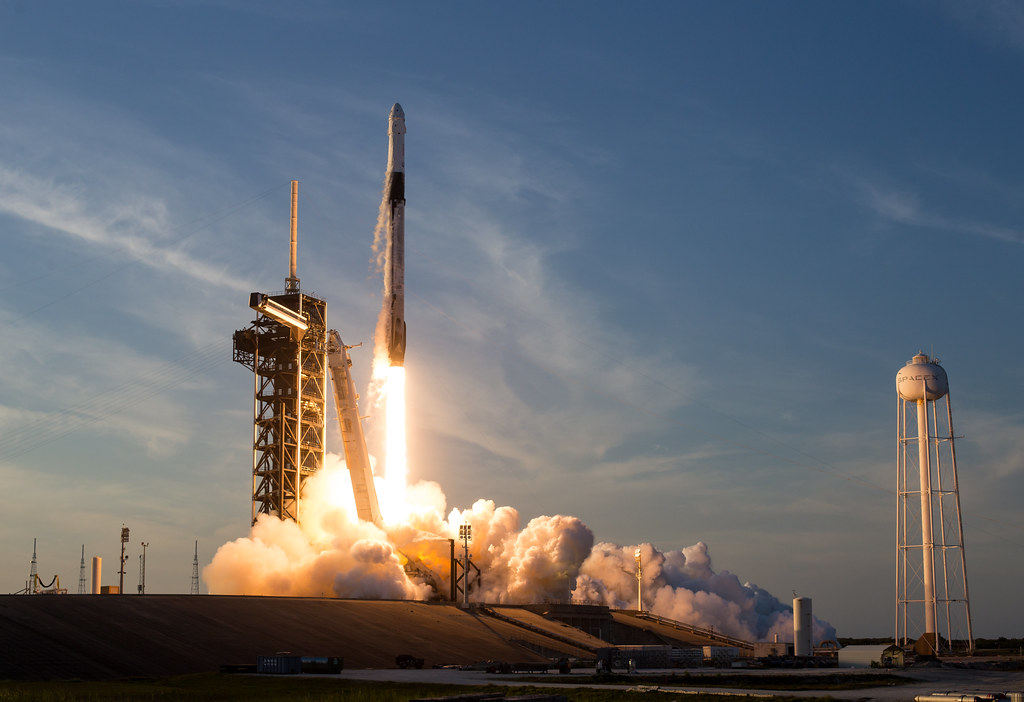
Brazil will send seeds of four plant species to the International Space Station (ISS) on August 1 aboard NASA’s Crew-11 mission, marking the country’s first agricultural experiment in orbit. The launch from Kennedy Space Center in Florida will be carried out on a SpaceX Falcon 9 rocket with the Dragon capsule, which will also transport astronauts to the station.
The seeds — Bahia grass, strawberry, and two orchid species — were selected by researchers from the Brazilian Agricultural Research Corporation (Embrapa) and the University of Florida, both members of the Space Farming Brazil Network. Provided by the University of Florida, the seeds will remain in microgravity for seven days before returning to Earth with the Crew-10 mission.
The materials are part of “World Seeds,” a cargo organized by US company Jaguar Space that includes specimens from 11 countries. The initiative aims to examine the genetic and physiological effects of space conditions on seeds before germination, with potential applications in both space farming and terrestrial agriculture.
Crop improvement goals
Researchers expect microgravity exposure to trigger mutations that could enhance crop performance. Bahia grass seeds will be studied for traits that suppress flowering, reducing maintenance needs and minimizing bird attraction near airports — a safety concern for aviation.
For strawberries, the focus is on reducing Brazil’s dependence on imported seedlings, which account for nearly a third of production costs and face phytosanitary challenges. Orchid seeds will be analyzed for potential changes in flower characteristics after their time in space.
International collaboration
Jaguar Space invited the Space Farming Brazil Network to participate free of charge, though limited cargo space required choosing small-seed species. Other participating nations include Argentina, Armenia, Costa Rica, Egypt, Guatemala, India, the Maldives, Nigeria, and Pakistan.
The mission involves multiple institutions, including the Argentinean Space Agency (CONAE), the University of Florida, the Nigerian Space Agency (NASRDA), and the SETI Institute. The Space Farming Brazil Network, formed in 2023 through a partnership between Embrapa and the Brazilian Space Agency, connects 56 researchers from 22 institutions to advance agriculture in extreme environments.
SpaceX will stream the launch live, with coverage beginning about one hour before the scheduled 2:43 a.m. Brasília time liftoff.

Enjoyed this story?
Every Monday, our subscribers get their hands on a digest of the most trending agriculture news. You can join them too!




Discussion0 comments