

How to restore soil after California wildfires?


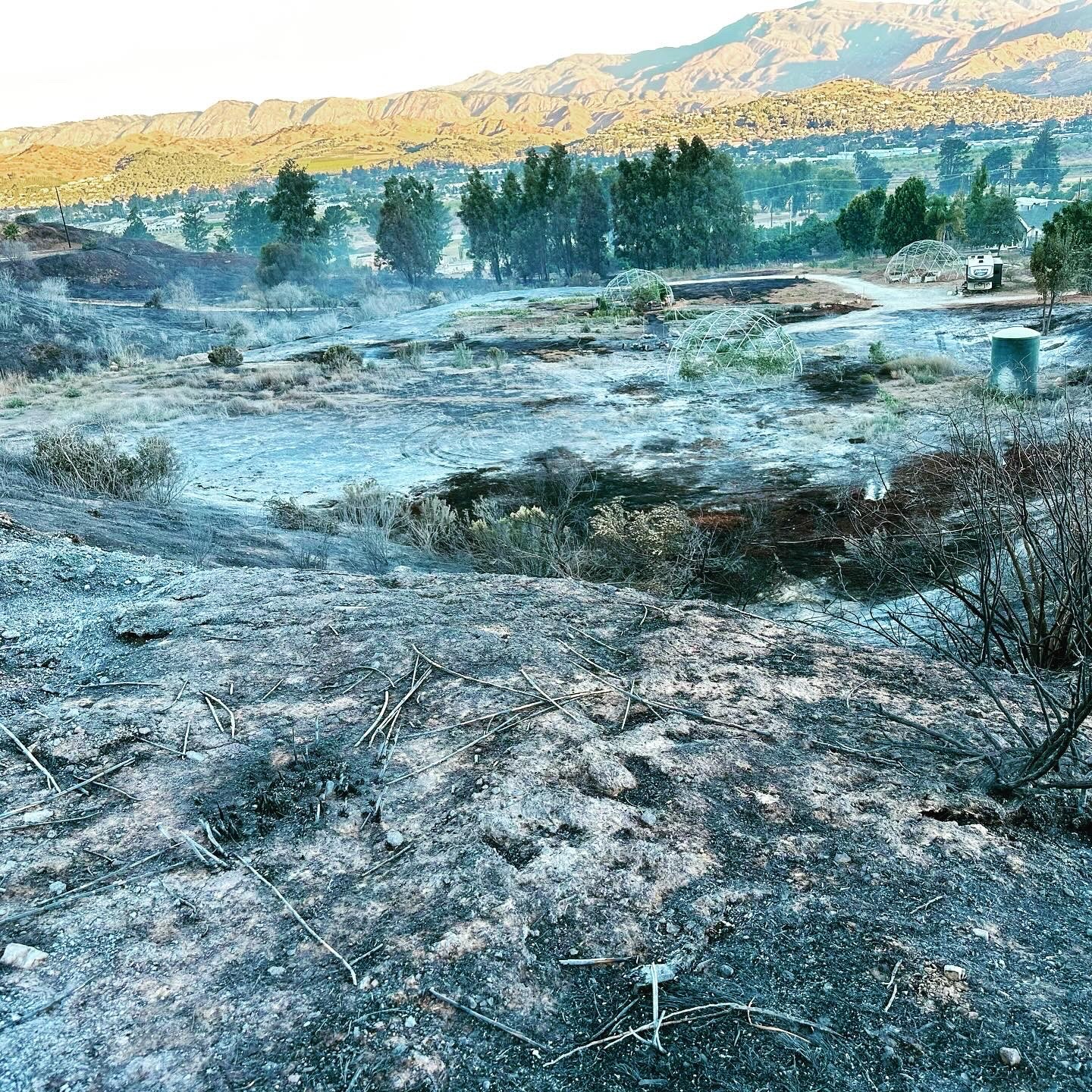
Homeowners and businesses impacted by recent wildfires across California should begin immediate soil restoration efforts to prevent erosion and encourage plant regrowth before the onset of fall and winter rains, according to Rick Wilson, Ph.D., chief science officer at Agromin, the state’s largest organic waste recycler and compost producer.
Wildfires degrade soil by stripping away organic matter and causing compaction, which impairs water absorption and increases the risk of runoff and erosion. They also deplete essential nutrients, particularly nitrogen, and destroy beneficial microbial communities.
“To prevent erosion, especially on sloped terrain, we recommend integrating organic compost into the soil and applying a two-to-four-inch layer of composted mulch,” said Wilson. “This helps retain moisture, restore nutrients, and rebuild microbial activity critical for natural recovery. Mulch also moderates soil temperature, creating better conditions for plant growth.”
Wilson highlighted California Senate Bill 1383 as a valuable resource in post-fire recovery. The law, aimed at reducing methane emissions from landfills, requires municipalities to redistribute compost and mulch generated from organic waste back into local communities.
“Many jurisdictions now offer compost and mulch to residents and businesses free of charge as part of SB 1383 compliance,” Wilson said. “These programs are especially timely for those needing to replant entire landscapes. Residents should contact their local government to see what resources are available.”
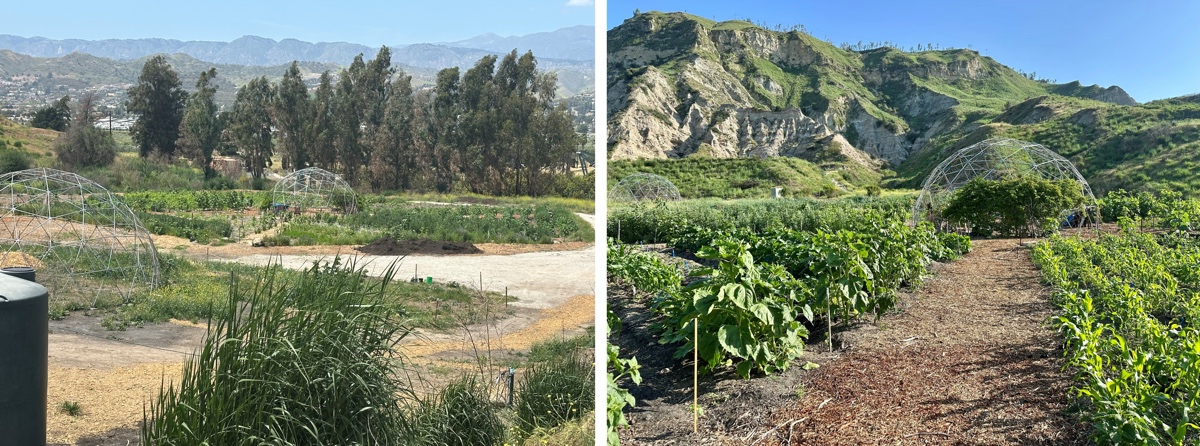
Agromin processes more than 1.2 million tons of green waste annually from over 200 communities, converting it into soil products for residential, commercial, and agricultural use. The company’s website provides more information about its Compost 100 and Cover Mulch.

Enjoyed this story?
Every Monday, our subscribers get their hands on a digest of the most trending agriculture news. You can join them too!





Discussion0 comments