

Frost protection systems gain ground as growers face climate uncertainty


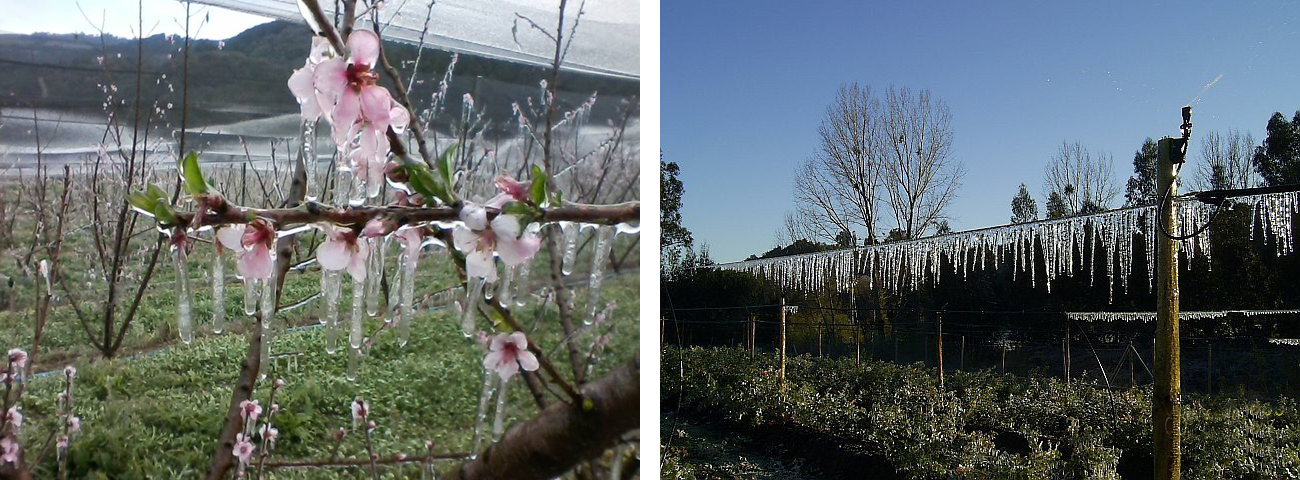
As temperatures begin to fall, the risk of frost damage becomes a serious concern for growers. Preventing frost damage is not just about avoiding immediate losses—it is a key strategy for protecting crop yields and securing long-term investment. Among the various methods available, sprinkler irrigation remains one of the most effective, using the release of latent heat to shield plants during cold snaps.
Rivulis Irrigation, a global supplier of micro and drip irrigation solutions, provides a range of systems designed to support growers in frost protection efforts. Headquartered in Israel, the company offers equipment aimed at enhancing crop resilience and optimizing water use in agricultural operations worldwide.
How sprinkler irrigation protects crops
Sprinkler irrigation mitigates frost damage by applying water to crops during freezing conditions. As the water freezes, it releases latent heat, forming a thin layer of ice that insulates plant tissues. This protective layer helps maintain the temperature around the crop just above the critical freezing point, minimizing the risk of tissue damage. The technique is widely adopted for sensitive crops such as fruit trees, vineyards, and berries.
understanding types of frost
Different types of frost present distinct challenges for growers:
- Radiation frost occurs on clear, calm nights when the ground rapidly loses heat to the atmosphere. Without wind to circulate warmer air, surface temperatures can drop below freezing. Sprinkler systems can mitigate this form of frost effectively by maintaining critical surface temperatures.
- Black frost develops during a thermal inversion, when a layer of warm air traps colder air near the ground. It can happen under clear or cloudy skies and may be accompanied by light winds. Black frost can be harder to manage with irrigation alone, often requiring additional protective measures.
Selecting the appropriate irrigation system
Choosing the right irrigation system for frost protection depends on crop type, field layout, water availability, and regional climate conditions. Several system designs are available, including options from Rivulis tailored to diverse operational needs.
- Under-tree sprinklers: Rivulis products such as the AquaSmart 2002 and Rondo are engineered for under-tree applications, delivering water directly to the base of trees. This approach forms a protective ice layer around critical root structures and is effective under moderate frost conditions.
- Full canopy coverage: Overhead sprinkler systems like the Rivulis 233B and Super 10 ensure uniform water distribution across large fields. Full coverage is particularly valuable for orchards and vineyards where broad protection is necessary, although it requires higher water volumes.
- Individual tree sprinklers: Micro-sprinkler systems, also available from Rivulis, deliver targeted water application directly above each tree. This method improves water efficiency and offers customized frost protection to individual plants.
- Strip method irrigation: For row crops such as vineyards, the strip method using equipment like the Rivulis Flipper provides targeted frost protection along the crop rows. This approach minimizes water use while effectively safeguarding critical growing zones.
Preparing for the next cold snap
With frost events growing more frequent and unpredictable, growers are reviewing their frost protection strategies with greater urgency. Rivulis offers sprinkler irrigation systems that are available now, enabling agricultural producers to implement or upgrade protective measures ahead of the season’s most vulnerable periods. Early preparation remains key to minimizing frost-related crop losses and protecting long-term farm viability.

Enjoyed this story?
Every Monday, our subscribers get their hands on a digest of the most trending agriculture news. You can join them too!







Discussion0 comments