

Bayer lobbies to preserve Roundup sales amid legal and financial pressure


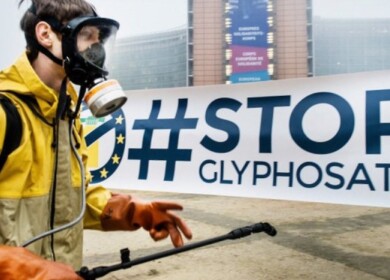
Bayer is intensifying its lobbying efforts across U.S. states in a bid to secure Roundup’s future in the American market. Facing thousands of lawsuits alleging the herbicide causes cancer, the German pharmaceutical and agriculture giant is pressing lawmakers to introduce legislation that would shield it from further legal claims and preserve the viability of glyphosate-based weedkillers for domestic agriculture.
Roundup, developed by Monsanto and acquired by Bayer in a $63 billion deal in 2018, has long been a cornerstone of modern crop protection. The company currently supplies about 40% of the world’s glyphosate, a chemical widely used by U.S. farmers to combat invasive weeds. But in recent years, Roundup has become a legal liability. Bayer has already paid out approximately $10 billion in settlements and set aside $5.9 billion more for pending lawsuits, as it contends with a rising tide of claims linking the product to non-Hodgkin’s lymphoma.
To avoid further litigation losses—estimated at up to $3 billion annually when factored alongside production costs—Bayer has launched a coordinated campaign to build legislative support for new legal protections. Its strategy centers on altering state-level pesticide labeling rules to block failure-to-warn lawsuits. Georgia and North Dakota have already passed such measures, although the bills still await gubernatorial approval. Bayer CEO Bill Anderson has urged more states to follow, emphasizing the bipartisan nature of the support.
“We’re making this case to lawmakers, and we appreciate the bipartisan support we see,” Anderson said in prepared remarks ahead of Bayer’s annual shareholders’ meeting scheduled for April 25.
High Court appeal accompanies state-level push
In parallel with its state lobbying, Bayer is petitioning the U.S. Supreme Court to intervene in a Missouri case that resulted in a $1.25 million award to a man who claimed he developed cancer from using Roundup. The company argues that federal pesticide law, which governs product labeling through the Environmental Protection Agency, preempts additional warnings required under state law.
The Supreme Court declined to hear a similar Bayer appeal in 2022 but may now revisit the issue due to conflicting rulings from lower courts. A ruling in Bayer’s favor could limit future state-level liability claims and provide broader legal clarity for pesticide manufacturers operating under federal oversight.
Potential retreat still on the table
While Bayer is actively seeking to maintain Roundup’s U.S. market presence, Anderson has acknowledged that discontinuation remains a possibility if litigation risks remain unresolved. “We’re nearing a point where the litigation industry could force us to even stop selling this vital product,” he said. “That’s not something we want to do, but we need to be prepared for all outcomes.”
If Bayer exits the glyphosate market, U.S. farmers would likely become more dependent on Chinese suppliers, raising concerns over supply chain security and pricing volatility in key agricultural regions.
With more than 67,000 cases still pending and investor confidence under strain, Bayer is also exploring a potential capital increase of up to €8 billion to maintain financial flexibility and credit stability. The measure would only be used if necessary to manage litigation costs or support a broader restructuring.
As Bayer continues to pursue legislative and judicial avenues to protect Roundup, the outcome will have significant implications not only for the company’s financial recovery, but also for the broader regulatory and legal environment facing agrochemical producers in the United States.

Enjoyed this story?
Every Monday, our subscribers get their hands on a digest of the most trending agriculture news. You can join them too!




Discussion0 comments